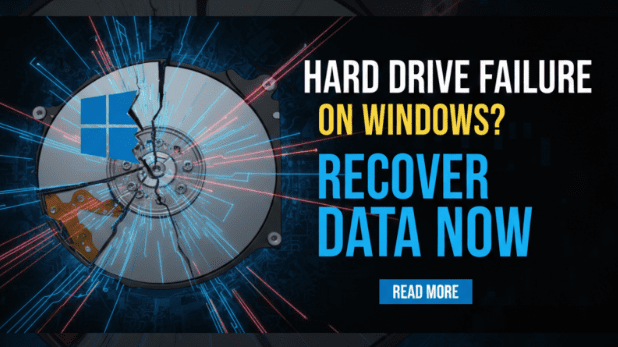
A hard drive failure is one of the most frustrating and potentially devastating problems a computer user can face. Whether you’re using a laptop or desktop, your hard drive stores everything—from your operating system to personal files, photos, and important documents. When it fails, the consequences can range from minor inconvenience to total data loss.
A sudden Hard Drive Failures on Windows can be one of the most stressful computer problems to face. Important documents, photos, work files, and personal data can become inaccessible without warning. Whether your system won’t boot, files disappear, or Windows shows disk errors, acting quickly is critical to avoid permanent data loss.
If you’re dealing with Hard Drive Failure, expert online computer support can help recover data safely and prevent further damage to your system.
What Is Hard Drive Failure and Why It Happens
Hard Drive Failure occurs when a storage device can no longer read or write data reliably. This can happen gradually or suddenly, depending on the cause. Both traditional HDDs and modern SSDs can fail, though the symptoms may differ.
Most traditional hard drives are known as
Hard Disk Drive (HDD), while newer systems often use
Solid-State Drive (SSD), which are faster and more reliable but still not immune to failure.
Understanding the cause helps determine the safest recovery method.
Types of Hard Drive Failures
Understanding the type of failure helps determine the solution.
1. Mechanical Failure (HDD Only)
Occurs when internal parts like the read/write head or spinning platters get damaged.
2. Logical Failure
Happens when the file system gets corrupted due to:
- Improper shutdowns
- Virus attacks
- Software errors
3. Firmware Failure
When the drive’s internal software stops working properly.
4. Electrical Failure
Caused by power surges or faulty connections.
Common Causes of Hard Drive Failure
1. Overheating
Excess heat can damage internal components over time.
2. Power Surges
Sudden voltage spikes can destroy electronic circuits.
3. Physical Damage
Dropping your laptop or hitting the CPU can damage the drive.
4. Malware & Viruses
Malicious software can corrupt files and damage storage systems.
5. Aging Hardware
Hard drives have a limited lifespan (typically 3–5 years for HDDs).
Warning Signs of a Failing Hard Drive
Many users ignore early symptoms until a complete Hard Drive Failure occurs. Watch for these warning signs:
- Unusual clicking or grinding noises
- Slow file access or frequent freezing
- Missing files or folders
- Repeated disk error messages
- Windows failing to boot properly
If you notice these signs, stop using the drive immediately to reduce the risk of permanent data loss.
The “Click of Death” Explained
One of the most well-known signs of HDD failure is the clicking sound. This happens when the read/write head fails to access data properly.
If you hear this sound, stop using the system immediately to avoid permanent damage.
What to Do Immediately After Hard Drive Failure
Step 1: Stop Using the Device
Continuing to use a failing drive can worsen the damage.
Step 2: Check Connections
Ensure cables and power supply are properly connected.
Step 3: Try Another System
Connect your drive to another computer to verify the issue.
How to Fix Hard Drive Failure (Step-by-Step)
1. Run Disk Check Utility
Use Windows built-in tool:
- Open Command Prompt
- Type:
chkdsk /f /r
This scans and repairs disk errors.
2. Use Disk Management
- Press Win + X → Disk Management
- Check if the drive is visible
- Assign a drive letter if missing
3. Update Drivers
Outdated drivers can cause drive detection issues.
4. Use Data Recovery Software
Tools like:
- Recuva
- EaseUS Data Recovery
can help recover lost files
5. Format the Drive (Last Resort)
This will erase all data.
Advanced Recovery Methods
1. Use Bootable Recovery Tools
Create a bootable USB to access your system.
2. Professional Data Recovery Services
If data is critical, consult experts instead of DIY fixes.
Preventing Hard Drive Failure
1. Regular Backups
Use cloud storage or external drives.
2. Avoid Overheating
Keep your system well-ventilated.
3. Use Surge Protectors
Protect against power fluctuations.
4. Handle Devices Carefully
Avoid dropping or shaking your system.
5. Monitor Drive Health
Use tools to check disk status regularly.
SMART Monitoring Explained
Most drives support
S.M.A.R.T.
This system tracks:
- Temperature
- Read/write errors
- Performance issues
Monitoring SMART data helps predict failure early.
When Should You Replace Your Hard Drive?
Replace your drive if:
- It makes unusual noises
- Data corruption is frequent
- System crashes regularly
- Drive is older than 4–5 years
SSD Upgrade: A Better Alternative
Switching to an SSD offers:
- Faster performance
- Better durability
- Lower power consumption
Signs Your Data is at Risk
- Files taking longer to open
- Corrupted documents
- Missing folders
- Backup failures
Enterprise-Level Data Protection
For businesses:
- RAID configurations
- Automated backups
- Cloud storage solutions
- IT monitoring systems
How Experts Recover Data After Hard Drive Failure
Recovering data from a Hard Drive Failure requires technical expertise and the right tools. DIY attempts can worsen the situation by overwriting recoverable data.
Professional recovery usually involves:
- Diagnosing the type and severity of the failure
- Identifying recoverable data sectors
- Using advanced data recovery techniques
- Restoring files without further disk damage
- Verifying data integrity after recovery
This structured approach maximizes recovery success while keeping your system secure.
Future of Storage Technology
Modern storage is evolving rapidly:
- NVMe SSDs
- Cloud-based storage
- AI-based failure prediction
These technologies aim to reduce the risk of sudden failure.
Hard Drive Failure in Laptops vs Desktops
Laptops:
- More prone to physical damage
- Heat buildup due to compact design
- Frequent movement increases risk
Desktops:
- Better cooling systems
- Easier to replace drives
- Lower physical stress
Common Myths About Hard Drive Failure
Myth 1: Freezing a Hard Drive Fixes It
Old trick that rarely works and can damage components further.
Myth 2: SSDs Never Fail
Even
Solid-State Drive
can fail due to wear and firmware issues.
Myth 3: Data is Gone Forever
In many cases, data can still be recovered.
Signs of Imminent Failure (Critical Stage)
If you notice these, act immediately:
- System freezing frequently
- Loud clicking sounds
- Files turning unreadable
- OS failing to boot
- Disk disappearing from BIOS
BIOS-Level Hard Drive Detection Issue
Sometimes the drive is not detected at all.
Possible Causes:
- Loose SATA cable
- Power supply issue
- Dead drive
Fix:
- Check BIOS settings
- Reconnect cables
- Test with another system
Role of Operating System in Drive Failure
Operating systems like
Microsoft Windows
can contribute to logical failures due to:
- Improper shutdowns
- Software crashes
- File system corruption
File System Corruption Explained
File systems like NTFS can become corrupted due to:
- Power loss
- Malware
- Disk errors
This leads to:
- Missing files
- Inaccessible drives
- System errors
Backup Strategies (Must Know)
3-2-1 Backup Rule:
- 3 copies of data
- 2 different storage types
- 1 offsite backup
Backup Options:
- External hard drives
- Cloud storage (Google Drive, OneDrive)
- Network Attached Storage (NAS)
Why Online Computer Support Is the Safest Option
Many users search for quick fixes online, but incorrect steps can turn a recoverable Hard Drive Failure into permanent data loss. Professional online computer support ensures the issue is handled correctly from the start.
WinTech Support provides secure remote assistance to diagnose disk issues and guide safe recovery, following strict privacy and data protection standards.
Key benefits include:
- Fast expert diagnosis
- Secure, encrypted remote access
- No need for immediate physical repair
- Cost-effective professional solutions
How to Prevent Future Hard Drive Failure
Once data is recovered from a Hard Drive Failure, prevention becomes essential. Simple steps can significantly reduce future risks:
- Schedule regular data backups
- Monitor disk health and error reports
- Avoid sudden power shutdowns
- Keep Windows and drivers updated
- Use reliable security software
Proper guidance helps ensure long-term data protection.
If your system won’t start due to disk issues, review Windows startup problem fixes. For accidental file loss, explore solutions for deleted files on Windows. Need immediate help? Remote desktop support provides fast expert assistance.
Frequently Asked Questions (FAQs)
1. Can data be recovered after hard drive failure?
Yes. In many cases, data can be recovered if the drive hasn’t been overwritten or physically destroyed.
2. Should I keep using my PC after hard drive failure?
No. Continued use can overwrite data and reduce recovery chances.
3. Can malware cause hard drive failure?
Yes. Malware and ransomware can corrupt disk sectors and system files.
4. Is online support safe for hard drive issues?
Yes. Secure, encrypted connections and strict privacy protocols are used.
5. How quickly should I act after hard drive failure?
Immediately. Early action greatly increases the chances of successful data recovery.
If Hard Drive Failure threatens your Windows system, don’t wait until files are lost permanently. Choose expert recovery and trusted online computer support to protect your data when it matters most.
Conclusion
Hard drive failure is a serious issue, but it doesn’t have to result in permanent data loss. By understanding the causes, recognizing early warning signs, and taking immediate action, you can protect your valuable data.
Prevention is always better than cure. Regular backups, system maintenance, and upgrading to modern storage solutions can significantly reduce the risk of failure.
Remember:
Your data is more valuable than your hardware—protect it wisely.