Antivirus and Anti malware In the current hyper-connected environment of the digital world, cyber threats are increasing at an unprecedented rate. From a simple virus to a sophisticated ransomware attack, users are at constant risk while browsing the web, downloading content, or even opening emails. Thus, security software is a necessity for every computer or device today. However, many users find it difficult to choose between Antivirus and Anti malware software.
If you too are confused about the difference between Antivirus and Anti malware software and need to make the right choice for your computer or device, this comprehensive guide will help you do so. Although both software types serve the same purpose of protecting your computer or device from cyber attacks and threats, there are many differences between the two software types that need to be understood by users.
Cyber threats are constantly evolving, and so are the tools we use to protect our devices. Many people assume antivirus and anti-malware are the same—but they’re not. Both play a critical role in keeping your PC secure, yet they fight different types of threats. Understanding how each works helps you choose the right protection and avoid gaps in your cybersecurity.
In this guide, we’ll break down the key differences between Antivirus and Anti malware, how they work, and why using both together offers complete protection.
What Is Antivirus Software?
Antivirus software is a traditional security tool that detects and prevents known computer viruses and removes them from your computer. Antivirus software is the first line of defense for your computer.
Key Features of Antivirus:
- Real-time protection against known computer viruses
- Signature-based detection
- Scheduled system scan
- Infected file removal
- Email and web scanning
Some of the popular antivirus software for your computer are:
- Norton Antivirus
- McAfee Antivirus
- Quick Heal Antivirus
How Antivirus Works:
Antivirus software uses a database of known computer viruses and their characteristics to provide real-time protection against computer viruses. When a computer virus matches the characteristics of a known computer virus in the database, it is detected and removed by the antivirus software.
Who Needs Antivirus?
Everyone. Antivirus is essential for:
- Daily browsing
- Email protection
- Preventing classic infections
- Stopping widespread cyber threats
If you download files, browse websites, or open email attachments, antivirus software acts as your first line of defense.
What Is Anti-Malware Software?
Anti malware software is a more advanced security solution that protects against modern and complex cyber threats. It goes beyond traditional virus detection by targeting all types of malicious software.
Key Features of Anti malware:
- Behavioral analysis
- Detection of zero-day threats
- Protection against ransomware and spyware
- Real-time monitoring
- Advanced threat removal
Popular Anti malware tools:
- Malwarebytes
- Spybot Search & Destroy
How Anti malware Works
Unlike antivirus software, Anti malware uses behavior-based detection. It monitors programs and identifies suspicious activities, even if the threat is new and not yet listed in any database.
Why Anti-Malware Matters
Modern cybercriminals use advanced tools that evolve quickly. Anti malware works best for:
- Detecting unknown threats
- Blocking ransomware
- Fighting stealth attacks
- Cleaning infected systems
Simply put, anti-malware handles the new-age cyber threats that antivirus alone may not catch.
Types of Threats Explained
Virus
A virus is a malicious program that attaches itself to files and spreads across systems.
Worm
Worms replicate themselves and spread through networks without user interaction.
Trojan
A trojan disguises itself as legitimate software but performs harmful actions.
Ransomware
Ransomware locks your data and demands payment to restore access.
Spyware
Spyware secretly monitors your activities and steals sensitive information.
Antivirus handles basic threats, while anti-malware covers all of the above, including advanced ones.
Antivirus vs. Anti-Malware: Key Differences
Here’s a quick breakdown of how they differ:
1. Type of Threats They Fight
- Anti-virus: Classic threats (viruses, worms, trojans)
- Anti malware: Modern, advanced threats (ransomware, spyware, zero-day attacks)
2. Detection Method
- Antivirus: Signature-based (matches known threat patterns)
- Anti malware: Behavior-based (detects unusual activity and unknown threats)
3. Purpose
- Antivirus: Prevents infection
- Anti malware: Finds and removes deep or newly developed threats
4. Protection Strategy
- Antivirus: Long-term, foundational protection
- Anti malware: Real-time defense against evolving cyber risks
Antivirus vs Anti malware: Detailed Comparison
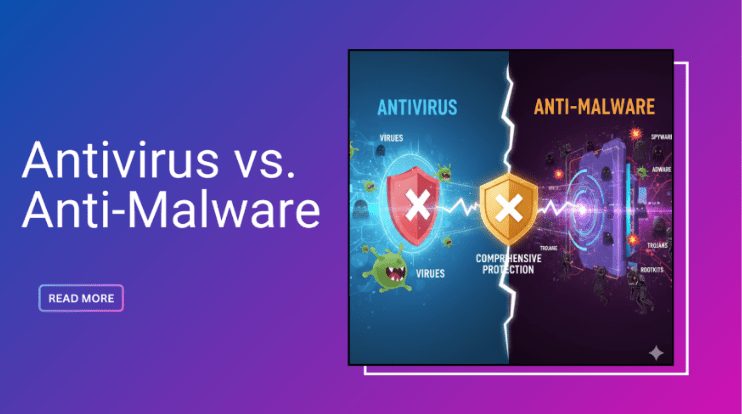
When comparing antivirus and Anti malware, the main difference between the two relates to their range of protection and detection. Antivirus software is traditionally designed to detect and remove known threats such as viruses, worms, and trojan horses. Antivirus software mainly relies on signature-based detection. This refers to the process by which antivirus software compares files with known malware signatures. Although antivirus software can detect known threats, it may not be very effective in detecting unknown threats.
On the other hand, anti malware provides a wider and more advanced range of protection. It is designed to detect modern threats such as ransomware, spyware, adware, and zero-day attacks. The main difference between Anti malware and antivirus software is that while antivirus software relies on signature-based detection, Anti malware software relies on behavior-based detection. This refers to the process by which anti-malware software monitors the behavior of programs in real time and detects threats even if the threat is unknown.
Ultimately, Antivirus vs Anti malware are not rivals, but rather complementary software. While antivirus is the backbone of your security arsenal, fighting more traditional threats, anti malware is there to bolster your defenses against more sophisticated and evolving threats. For complete and comprehensive security, experts recommend that you use both antivirus and anti malware together, creating a multi-layered security system to give you maximum protection.
Antivirus vs Anti-Malware: Which One Is Better?
There is no one-size-fits-all answer.
Choose Anti-virus If:
- You need basic protection
- You use your device for simple tasks
- You want a lightweight solution
Choose Anti-Malware If:
- You want advanced security
- You frequently download files
- You handle sensitive data
Best Option:
Use both antivirus and anti malware together for complete protection.
Why You Need Both in 2026
Cyber threats have become more advanced, and relying on a single security tool is no longer enough. That why we need both Antivirus vs Anti malware
Benefits of Using Both:
- Reduced risk of data breaches
- Multi-layered security
- Better detection rate
- Protection against unknown threats
Built-in Protection in Windows
Modern systems like Windows come with built-in security tools.
Windows Security:
- Basic antivirus protection
- Firewall integration
- Real-time scanning
However, it may not be enough against advanced threats, making additional Anti malware tools useful.
Which One Should You Choose First?
If you must pick only one, start with anti-virus, because it offers broader everyday protection.
Then, add anti malware to secure your system against advanced attacks like ransomware and spyware.
But for maximum safety, especially in 2026 and beyond, combining both Antivirus vs Anti malware is the smartest choice.
Common Signs Your System Is Infected
- Slow system performance
- Frequent crashes
- Pop-up ads
- Unknown programs installed
- Browser redirects
If you notice these signs, run both Antivirus and Anti malware scans immediately.
Best Practices for Maximum Protection
To stay safe from cyber threats:
- Keep your software updated
- Use strong and unique passwords
- Avoid downloading from unknown sources
- Enable firewall protection
- Regularly scan your system
- Backup important data
Common Mistakes to Avoid
- Relying only on free antivirus
- Ignoring software updates
- Clicking suspicious links
- Using pirated software
- Not scanning external devices
When comparing Antivirus vs Anti malware, it becomes clear that both play a crucial role in cybersecurity. Antivirus software focuses on detecting known threats using signature-based methods, while Anti malware tools provide advanced protection through behavior-based detection. As cyber threats continue to evolve, relying on a single layer of protection is no longer sufficient. By using both antivirus and anti-malware solutions together, users can ensure comprehensive security, safeguard their personal data, and protect their devices from both traditional and modern threats.
Need Help with Antivirus or Anti-Malware Issues?
If you are still confused about the difference between Antivirus vs Anti malware software or if your computer is already experiencing security-related problems, it is best to seek the help of a computer expert to save your precious time and avoid future damage to your computer. Cyber attacks like ransomware, spyware, and stealthy malware can put your personal information at risk and may even result in financial loss if not properly addressed.
At WinTech Support, we can help you with all your computer security-related issues, such as your antivirus not working properly, malware not being removed from your computer, and your computer acting weirdly due to security-related problems.
Why Choose WinTech Support?
- Experienced technical experts
- Quick and effective solutions
- Affordable support services
- 24/7 assistance
- 100% customer satisfaction focus
Frequently Asked Questions (FAQs)
Q1. Is antivirus the same as anti malware?
No, antivirus is for traditional threats, while anti malware is for advanced threats.
Q2. Do I need both antivirus and anti malware?
Yes, you need both for complete protection.
Q3. Can anti-malware completely replace antivirus?
No, it cannot completely replace antivirus; rather, it complements antivirus software.
Q4. Is free antivirus enough?
Free antivirus software gives you basic protection but not complete protection.
Q5. Which one is best for business?
You need both for complete protection in a business environment.
Conclusion
The knowledge of Antivirus and Anti malware is vital in today’s digital age. Whereas antivirus programs safeguard against traditional threats such as viruses and trojans, anti-malware programs safeguard against contemporary threats such as ransomware and spyware.
To get the best out of both worlds, experts advise that you should use both Antivirus and Anti malware programs together. This is to guarantee that your computer is safeguarded against all types of threats, ensuring that your data is secure and your computer is running smoothly.